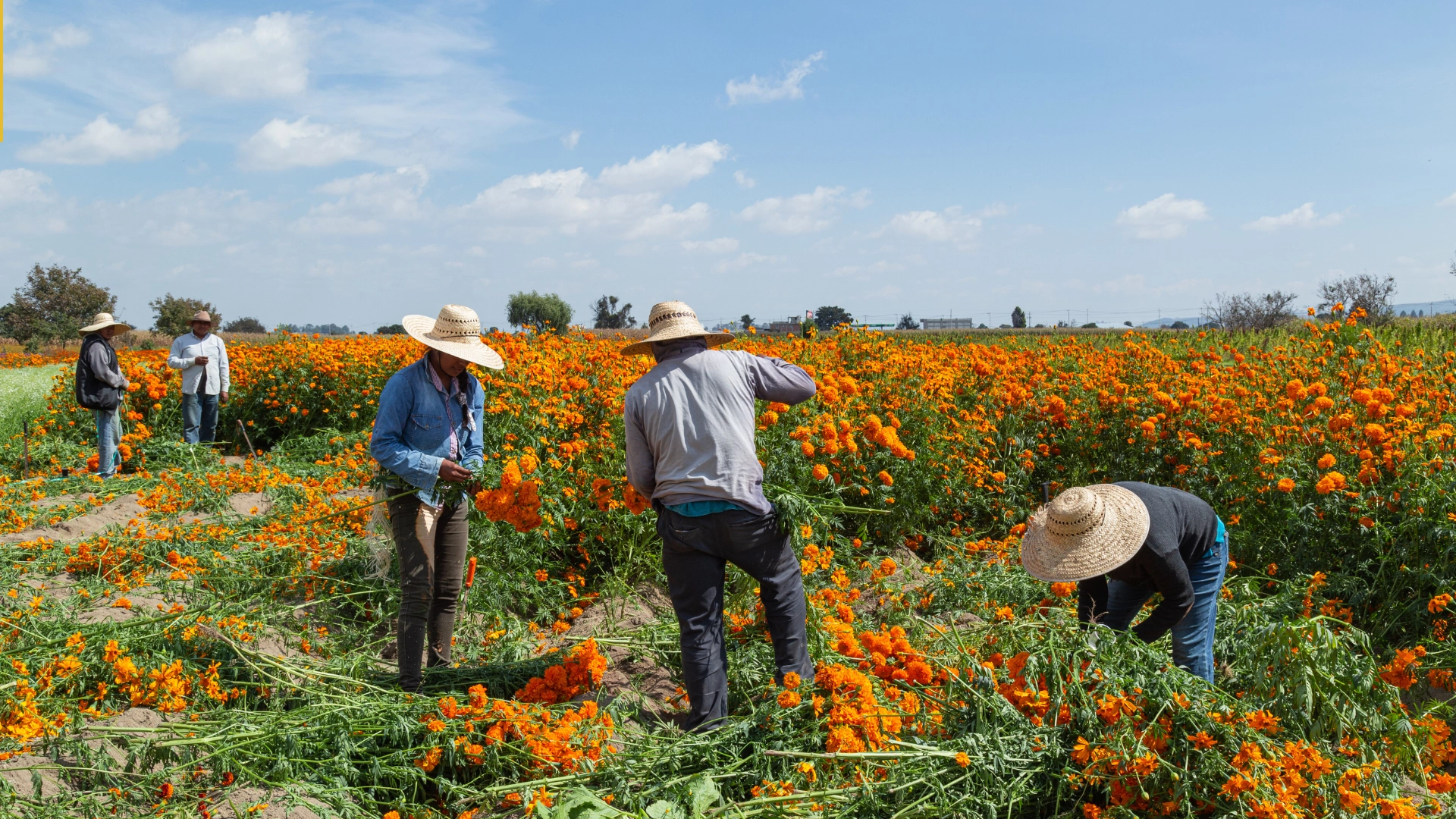
The Canada Farm Worker Visa Program 2025/2026 is one of the most sought-after opportunities for people who want to work legally in Canada, earn a steady income, and gain international agricultural experience. Whether you are interested in fruit picking, greenhouse work, dairy farming, or general farm labour, Canada’s agricultural programs provide clear routes to temporary employment for foreign workers.
In this guide, you’ll learn how the Canada farm worker visa works, who can apply, the types of jobs available, the step-by-step application process, required documents, salaries, and answers to the most common questions about farm jobs in Canada for 2025 and 2026.
What Is the Canada Farm Worker Visa Program?
When people say “Canada Farm Worker Visa,” they are usually referring to temporary work permits issued under Canada’s agricultural programs. The most important ones are:
- Seasonal Agricultural Worker Program (SAWP) – for workers from specific partner countries to work in seasonal crop production and related farm activities.
- Agricultural Stream of the Temporary Foreign Worker Program (TFWP) – allows Canadian employers to hire foreign workers for on-farm jobs when there are not enough local workers.
- Other agriculture-related work permits – including pathways that may support long-term or permanent residence through Canadian work experience.
These programs are designed to help Canadian farms fill labour shortages while giving foreign workers fair wages, safe working conditions, and legal status in Canada.
Why Consider Canada Farm Work in 2025/2026?
Canada’s agricultural sector remains strong and continues to depend heavily on international workers. For many applicants, farm work is one of the easiest ways to enter Canada on a legal work permit, especially if they do not yet qualify for skilled worker immigration programs.
Key Benefits of the Farm Worker Visa
- Legal work permit – You receive an official Canadian work permit tied to a specific employer or program.
- Stable income – Farm wages follow provincial labour laws, with minimum wage protections and overtime rules where applicable.
- Free or subsidized housing – Many farm employers provide on-farm accommodation as part of the job offer.
- Health and safety protection – Workers are covered by provincial workplace safety rules and, after qualifying periods, provincial health plans.
- Valuable foreign work experience – Canadian work experience can help strengthen future immigration or job applications.
- Clear start and end dates – Seasonal contracts are structured, so you know when your job starts, how long it lasts, and what you will earn.
Types of Farm Worker Opportunities in Canada
1. Seasonal Agricultural Worker Program (SAWP)
The Seasonal Agricultural Worker Program (SAWP) allows Canadian employers to hire temporary foreign workers for seasonal farm jobs when no local workers are available. Contracts are usually:
- Up to 8 months within a year, typically between January 1 and December 15.
- Focused on planting, cultivating, harvesting, and packaging crops.
- Linked to specific approved farms and employers.
Only citizens of certain partner countries can participate in SAWP. Workers are normally recruited in coordination with their home government, and they must meet medical and other basic requirements.
2. Agricultural Stream of the Temporary Foreign Worker Program
Outside SAWP, farm employers can also hire foreign workers through the broader agricultural stream of the Temporary Foreign Worker Program (TFWP). In this case:
- The employer must usually obtain a Labour Market Impact Assessment (LMIA) showing the need for a foreign worker.
- The worker then uses the job offer and LMIA to apply for a work permit.
- Jobs may be seasonal or, in some cases, longer-term, depending on the position and contract.
3. Long-Term Agricultural Jobs and Future Pathways
Some agricultural jobs, especially in livestock, food processing, or specialized roles, may open doors to other programs that support long-term work or even permanent residency in the future. While not every farm job leads directly to permanent residence, having Canadian work experience is often an advantage in future immigration applications.
Who Can Apply for Canada Farm Worker Roles?
Eligibility depends on the specific program and employer, but most farm worker visas for 2025/2026 require you to meet the following general conditions:
- Be 18 years or older (some employers may prefer 21+).
- Have a valid passport and be admissible to Canada.
- Be in good health and able to perform physically demanding work (you may need a medical exam).
- Have no serious criminal record.
- Have a valid job offer from a Canadian employer, often supported by an LMIA.
- Demonstrate intent to leave Canada once your work permit expires (for temporary programs).
For SAWP in particular, you must also be a citizen of an eligible partner country and be recruited through the approved process in your home country.
Common Farm Worker Jobs in Canada
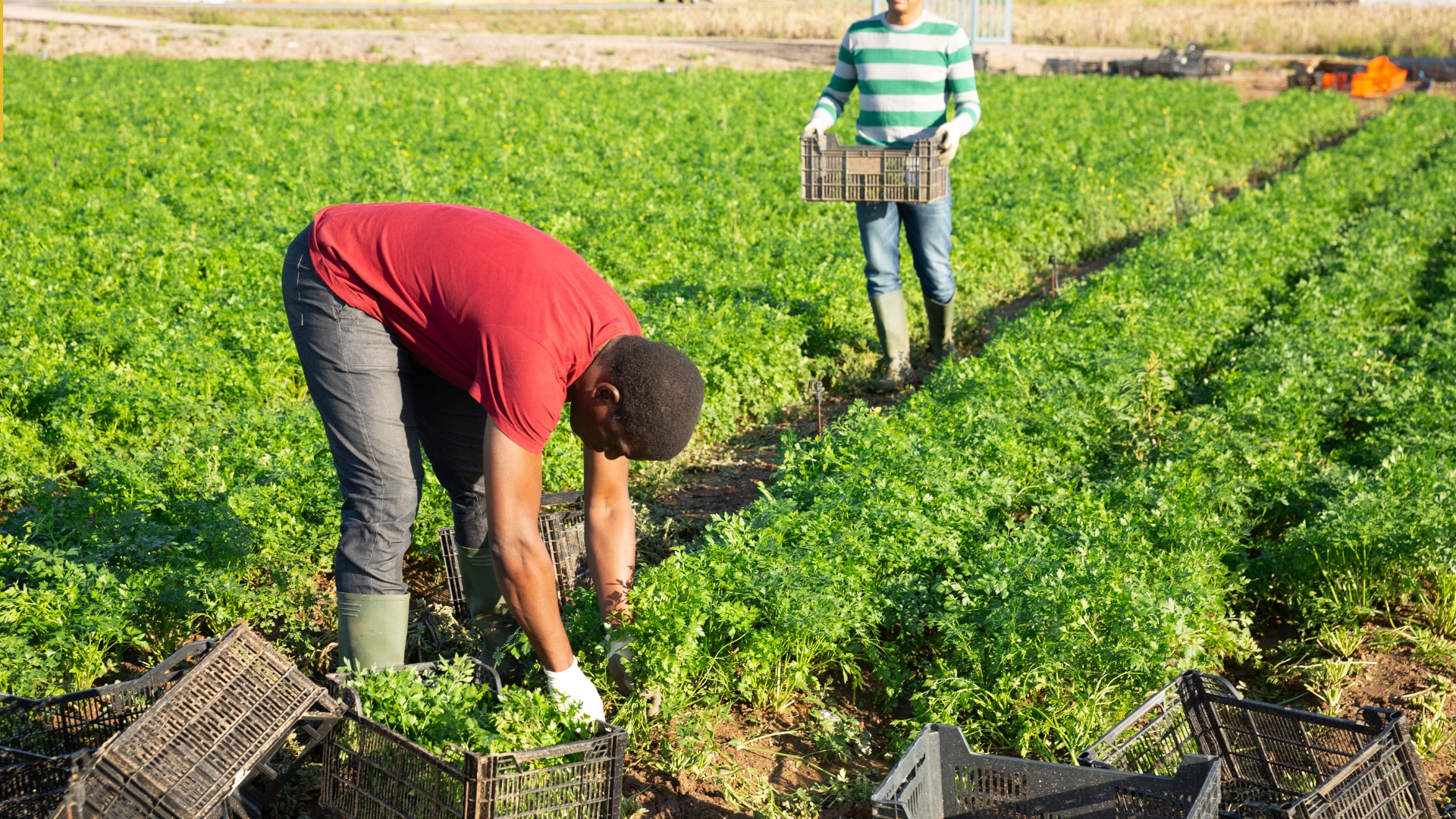
As a farm worker in Canada, you may work in different agricultural settings depending on the province, season, and employer. Common roles include:
- Fruit or vegetable picker
- Greenhouse worker (flowers, vegetables, herbs)
- General farm labourer
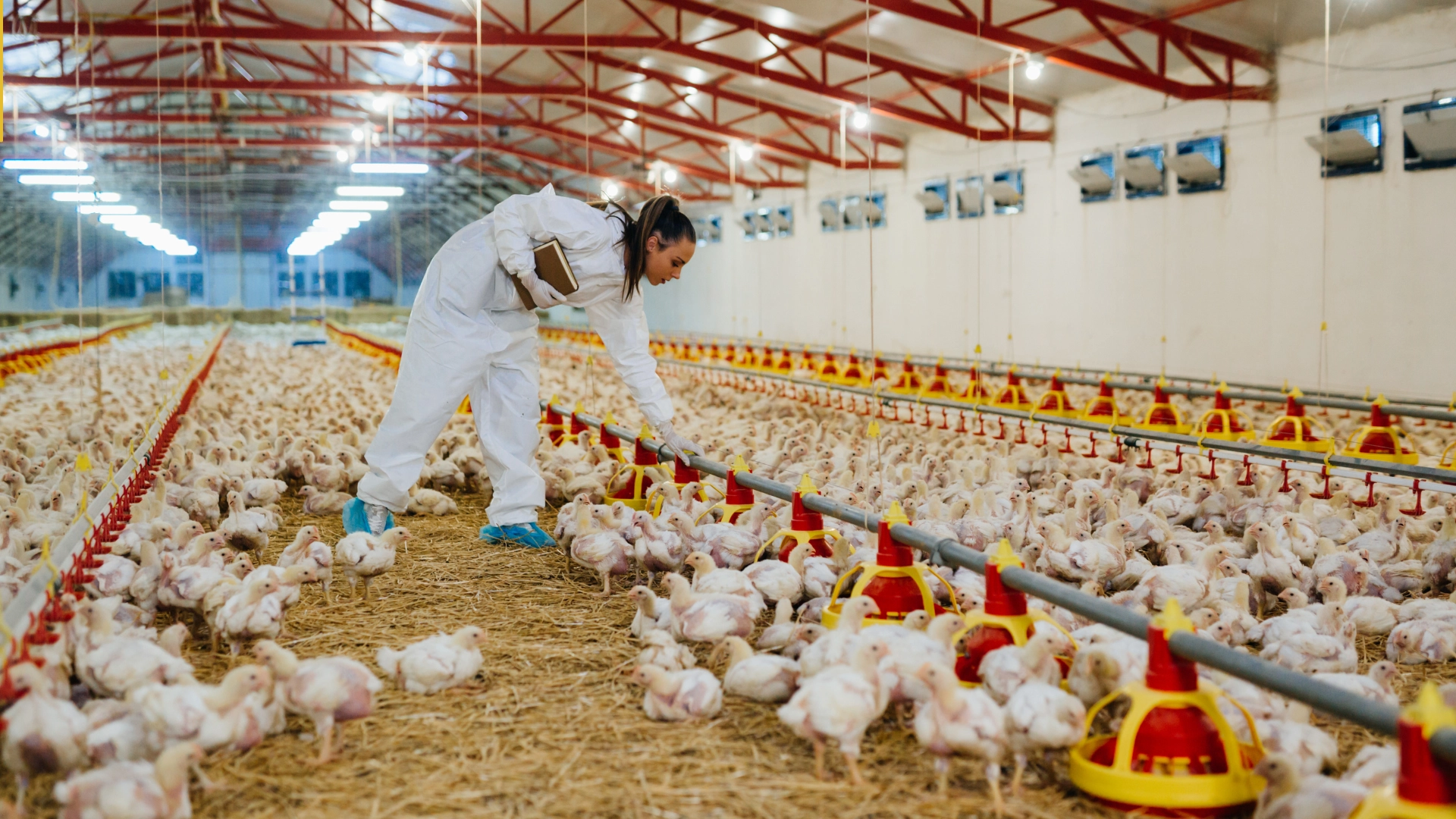
- Livestock farm assistant (cattle, poultry, pigs, dairy)
- Equipment or tractor operator (with experience)
- Crop sorter, packer, or grader
Most of these positions are considered low- or semi-skilled roles, but they are essential for Canada’s food supply and often provide regular hours and clear working conditions.
Step-by-Step: How to Apply for the Canada Farm Worker Visa 2025/2026
Step 1: Confirm You Are Eligible
Start by reviewing the basic requirements for working as a farm worker in Canada. Make sure you:
- Meet age, health, and background requirements.
- Understand whether you are applying under SAWP or another agricultural stream.
- Know which roles match your experience and physical capacity.
Step 2: Find a Legitimate Canadian Farm Employer
You cannot simply apply for a “farm worker visa” without a job offer. In most cases, you must first secure an offer of employment from an approved Canadian employer. Many employers recruit through:
- Government job platforms and official recruitment channels.
- Licensed recruitment agencies in your home country.
- National SAWP offices (for eligible countries).
Avoid paying illegal recruitment fees and always verify that the job offer is genuine.
Step 3: Employer Applies for LMIA (If Required)
In many agricultural streams, the Canadian employer must apply for a Labour Market Impact Assessment (LMIA). This document proves there is a genuine need for a foreign worker and that no Canadian or permanent resident is available to fill the position.
Once the LMIA is approved, the employer will send you copies of the:
- Job offer or employment contract
- LMIA approval details (if applicable)
- Any additional instructions for your work permit application
Step 4: Apply for a Work Permit
With the job offer and LMIA (if applicable), you can submit your work permit application for the Canada Farm Worker Visa 2025/2026. This is usually done online through the Canadian immigration portal.
During this step, you will:
- Create an online account and complete the application forms.
- Upload all required documents and pay the required fees.
- Provide biometrics (fingerprints and photo) if needed.
- Attend a medical exam if required.
Step 5: Wait for a Decision
Processing times can vary depending on your country of residence, program type, and application volume. It is important to apply early for 2025/2026 positions so that your work permit is approved before the planned work season starts.
Step 6: Travel to Canada and Start Work
If your work permit is approved, you will receive a letter of introduction and, in some cases, a visa or travel authorization. When you arrive at a Canadian port of entry, an officer will verify your documents and issue your actual work permit.
Make sure you carry:
- Your passport and visa (if required)
- Letter of introduction
- Job offer or contract
- Any additional documents listed in your approval letter
Required Documents for Canada Farm Worker Visa 2025/2026
Exact document lists can vary by country and program, but most applicants should be prepared with:
- Valid passport (covering the entire duration of your stay)
- Recent passport-sized photos
- Signed job offer or employment contract
- LMIA information (if applicable)
- Proof of relevant work experience (if requested)
- Police clearance certificates (if required)
- Medical exam results (if required)
- Biometrics (fingerprints and photo)
Always follow the personalized document checklist provided in your online account, as requirements can change and may differ by country.
Working Conditions, Salary, and Benefits
Provincial and federal labour laws protect farm workers in Canada. While exact figures change over time and by province, you can generally expect:
- Wages at or above the provincial minimum wage for the specific agricultural occupation.
- Standard working hours, with overtime rules depending on provincial regulations and your contract.
- Housing that meets minimum safety and quality standards, often provided by the employer.
- Transportation assistance to and from the place of work, especially under SAWP contracts.
- Protection under workplace safety regulations, including the right to safe conditions and protective equipment.
Always read your contract carefully so you understand your wages, deductions, housing arrangements, and any rules about transportation or meals.
Best Provinces for Farm Work in Canada
Farm jobs are available across Canada, but some provinces are especially active in hiring foreign farm workers. These commonly include:
- Ontario – fruits, vegetables, greenhouses, and mixed farming
- British Columbia – orchards, vineyards, berries, and greenhouses
- Alberta – grains, livestock, and mixed farms
- Saskatchewan and Manitoba – cereal crops and large-scale farm operations
- Quebec – dairy, vegetables, and fruit production
Your exact location will depend on the employer and the type of work you are hired for.
Tips to Increase Your Chances of Approval
- Apply early – Seasonal positions fill quickly, and work permit processing can take time.
- Be honest and consistent – All information in your application must match your documents and background.
- Show strong ties to your home country – For temporary programs, you must convince officers that you will return home after your contract.
- Gain relevant experience – Previous farm or physical labour experience can make you more attractive to employers.
- Follow all instructions carefully – Missing documents or skipped steps can cause delays or refusals.
Can the Farm Worker Visa Lead to Permanent Residence?
Most Canadian farm worker visas, especially under SAWP, are designed as temporary programs. They do not guarantee permanent residency. However, some workers may later qualify for other immigration programs after gaining:
- Canadian work experience
- A full-time, non-seasonal job offer in an eligible occupation
- Support from a provincial program or employer
Permanent residence is never automatic. If you are interested in settling in Canada permanently, you may need to combine your farm experience with additional training, language improvement, or higher-skilled roles.
Frequently Asked Questions (FAQ)
1. What is the Canada Farm Worker Visa Program 2025/2026?
It is a general term used for temporary work permits that allow foreign nationals to work on Canadian farms, usually under programs like the Seasonal Agricultural Worker Program (SAWP) or the agricultural stream of the Temporary Foreign Worker Program.
2. Do I need a job offer before applying?
Yes. In almost all cases, you must first secure a valid job offer from a Canadian farm employer before you can apply for a work permit.
3. How long can I work in Canada as a farm worker?
Seasonal contracts typically last up to 8 months per year, depending on the program, crop type, and employer needs. Some non-seasonal roles may be longer.
4. Is accommodation included for farm workers?
Many employers provide on-site or nearby accommodation, especially for seasonal workers. Housing must meet minimum standards, and any deductions should be clearly stated in your contract.
5. How much can I earn as a farm worker in Canada?
Wages vary by province, job type, and experience, but must meet at least the applicable minimum wage for that agricultural occupation. Some workers earn more through overtime or piece-rate systems.
6. Can I bring my family with me?
Farm worker visas are usually temporary and employer-specific. In many cases, family members do not automatically receive work or study permits. However, rules differ by program and country, so you should review the specific conditions in your own application.
7. Does farm work in Canada lead to permanent residence?
Farm work alone does not guarantee permanent residence, but Canadian work experience can sometimes help you qualify for other immigration programs in the future if you meet all their requirements.
8. Do I have to pay recruitment fees?
Legitimate recruitment for official programs should not involve illegal or excessive fees. Be cautious of anyone demanding large payments in exchange for a farm job in Canada.
9. What happens if my work permit expires?
You must stop working when your permit expires, unless you have already applied to extend or change your status. Overstaying or working without authorization can harm your future chances of getting a visa.
10. How should I prepare for farm work in Canada?
Be ready for physically demanding tasks and varying weather conditions. Bring appropriate clothing, follow safety instructions, and be prepared to live in shared accommodation with other workers.