
Caregiver and care worker jobs in the UK have been one of the most popular options for foreigners who want to work abroad, earn in pounds, and support vulnerable people.
However, the rules have changed a lot in 2024–2025, and it is now much harder – and in many cases impossible – to move to the UK for the first time as a care worker on a sponsored visa.
This guide explains, in simple language:
- What caregiver and care worker jobs in the UK involve
- How visa sponsorship works now under the Health and Care Worker route
- Who can still get sponsorship in adult social care in 2025
- Alternative UK visa options for people with health or care experience
- How to avoid scams and illegal recruitment fees
Are Caregiver Jobs in the UK Still Available With Visa Sponsorship?
The short answer is: frontline care worker visas from overseas have been closed to new applicants, but some opportunities remain for:
- Care workers who are already in the UK on a valid visa in a care role
- Other healthcare professionals (for example nurses or certain allied health roles) under the Health and Care Worker visa
- People who come to the UK through different routes (study, family, other skilled jobs) and then switch into eligible health roles from inside the UK
From 22 July 2025, the UK government stopped accepting new Skilled Worker / Health and Care Worker visa applications from overseas for standard care worker and senior care worker roles under occupation codes 6135 and 6136.
This means that if you are currently outside the UK and looking for “UK caregiver jobs with free visa sponsorship”, you need to be very careful. Most genuine frontline care roles can no longer sponsor you directly from abroad, and many “offers” you see on social media may be fake or out of date.
What Does “Caregiver” Mean in the UK System?
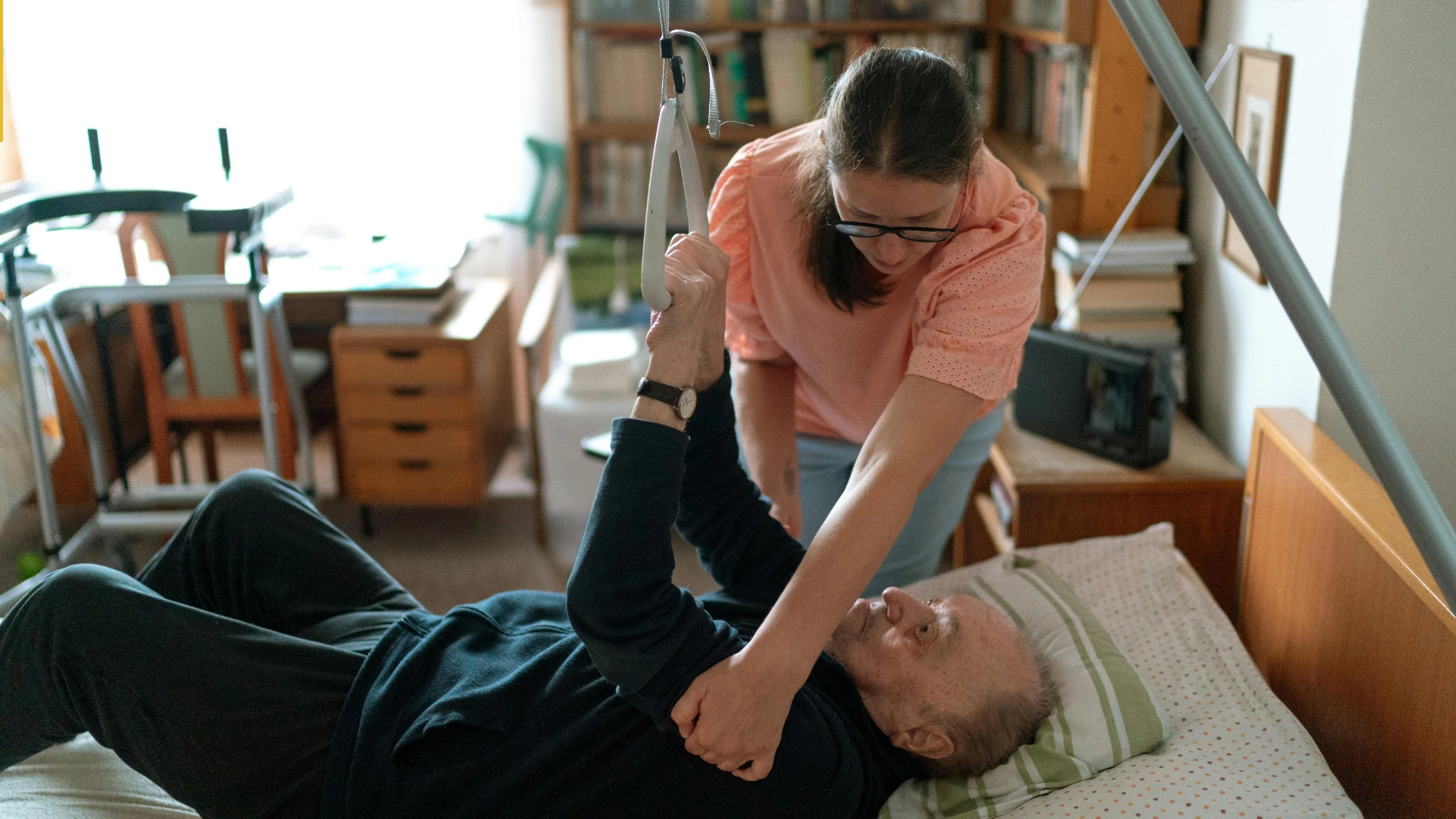
In the UK immigration and job system, “caregiver” roles usually appear under two main occupation groups:
- Care workers and home carers (SOC 6135) – often called care assistants, domiciliary carers, support workers
- Senior care workers (SOC 6136) – team leaders or supervisors in care homes and domiciliary care services
Typical duties in these roles include:
- Helping elderly or disabled people with washing, dressing, and personal care
- Preparing meals and assisting with eating and drinking
- Supporting people with mobility, walking aids, and transfers
- Monitoring health, reporting changes, and keeping basic records
- Providing emotional support and companionship
These jobs can be based in:
- Residential care homes and nursing homes
- Supported living settings
- Clients’ own homes (domiciliary or home care)
- Hospices and community support services
The Current Visa Situation for Caregivers in 2025
1. The Health and Care Worker Visa Route
The Health and Care Worker visa is a sub-route of the Skilled Worker visa. It is designed for qualified health professionals who have a job offer from an approved UK sponsor in eligible roles such as nurses, doctors, and some allied health professions.
Until recently, the standard care worker and senior care worker roles were also eligible under this route, leading to a large wave of international recruitment into the UK care sector.
2. Closure of the Overseas Care Worker Route
Following concerns about exploitation, illegal fees, and over-reliance on low-paid migrant labour, the UK government announced major changes:
- From 22 July 2025, occupation codes 6135 (care workers and home carers) and 6136 (senior care workers) are no longer eligible for new Skilled Worker / Health and Care Worker visa applications from overseas.
- Care providers can no longer sponsor new frontline carers directly from outside the UK.
- Transitional arrangements remain in place until 22 July 2028 for workers already in the UK under these codes.
At the same time, salary thresholds for the Skilled Worker and Health and Care routes have increased, making UK work visas more focused on higher-skilled, higher-paid roles.
3. Crackdown on Exploitation and Illegal Fees
Investigations found that some migrant care workers were being charged illegal recruitment fees up to tens of thousands of pounds, and were then trapped in poor housing and bad working conditions.
In response, the UK has tightened sanctions against employers who exploit foreign workers, including longer bans on using the sponsorship system.
This is good for genuine workers in the long term, but it also means the government is very strict about sponsorship in the care sector right now.
Who Can Still Get UK Visa Sponsorship in Adult Social Care?
Even after these changes, some people can still benefit from UK sponsorship for care work, but the rules remain narrow. In general, you may still have options if:
1. You Are Already in the UK as a Sponsored Care Worker
If you were granted a Health and Care or Skilled Worker visa as a care worker or senior care worker before the closure date and you are already in the UK:
- You may be able to extend your visa or change employers within the sector, under strict transitional rules.
- Usually, you must have worked for your sponsor for at least three months before a new Certificate of Sponsorship (CoS) is issued for a move or extension.
2. You Are Already in the UK on Another Visa
In some cases, people who are already in the UK on other visas (for example student, graduate, or dependent visas) and working legally in care roles may still switch into sponsored positions under the transitional arrangements, again with strict conditions.
3. You Are a Qualified Health Professional (Not a General Care Worker)
The Health and Care Worker route remains open for other eligible healthcare occupations, such as:
- Registered nurses and certain specialist nurses
- Some allied health professionals
- Other regulated clinical roles that meet the Skilled Worker requirements
These roles typically require recognised professional qualifications, registration with a UK regulator, and meeting higher salary and skill thresholds.
General Eligibility Requirements for UK Care & Health Support Roles

If you fit into one of the categories above (already in the UK or applying for another eligible health profession), you will usually need:
- A genuine job offer from a licensed UK sponsor
- Proof of English language ability at the required level (for example, IELTS or equivalent if needed)
- Relevant qualifications or experience for the role
- A salary that meets the current minimum threshold for your occupation and visa route
- A clean criminal record certificate and medical checks where required
Because UK immigration rules change frequently, you should always double-check the latest requirements on the official UK government website before applying.
Step-by-Step: How to Apply for a UK Caregiver or Health Support Job
The exact steps depend on whether you are inside or outside the UK, but the general process looks like this for eligible roles:
Step 1: Confirm That Your Role Is Eligible for Sponsorship
Check whether the specific job (for example, nurse, therapist, or other health role) is on the list of eligible Skilled Worker / Health and Care occupations and meets the minimum salary.
Step 2: Prepare a Strong CV and Supporting Documents
Create a clear, UK-style CV that highlights:
- Your education and professional training
- Relevant health or care experience
- Any professional registration or licenses
- Your language skills and key soft skills (compassion, patience, communication)
Step 3: Apply Only to Genuine UK Employers and Recruiters
Focus on recognised care providers, NHS employers, and reputable recruitment agencies. Avoid offers that:
- Guarantee a visa without any interview
- Ask you to pay very large “processing” or “sponsorship” fees
- Refuse to give you a written contract before payment
Step 4: Receive a Job Offer and Certificate of Sponsorship (CoS)
If selected, your sponsor issues a Certificate of Sponsorship with details about your job, salary, and contract length. This is a key document for your visa application.
Step 5: Submit Your Visa Application
You then complete your online visa form, pay the relevant fees, upload documents, and attend a biometrics appointment or visa centre visit. The exact steps depend on your country and the visa category.
Step 6: Travel to the UK and Start Work
If your visa is granted, you can travel to the UK, collect your Biometric Residence Permit (if applicable), and begin work under the conditions of your visa.
Typical Salaries and Working Conditions for Caregiver Roles
Salaries for care-related jobs in the UK depend on your role, employer, region, and experience. Recent rule changes have increased salary thresholds for Skilled Worker visas and set minimum hourly rates for sponsored care roles, with further rises planned.
In general, you can expect:
- Hourly pay, often with higher rates for nights, weekends, or overtime
- Significant hands-on work and many hours on your feet
- Shift patterns, including evenings, weekends, and holidays
- Emotional and physical demands, but also highly rewarding moments
Common Challenges – and How to Protect Yourself
While many UK employers are fair and supportive, there have been serious issues in the sector. Some migrant workers reported illegal recruitment fees, overcrowded housing, long hours, and discrimination.
How to Stay Safe
- Never pay huge “sponsorship” fees to unknown agents. Recruitment fees charged to workers are often illegal.
- Insist on a written contract that clearly shows your salary, hours, and duties.
- Check that the employer is a licensed sponsor and, in England, that care providers are properly CQC-registered.
- Keep copies of all payslips and records of any payments you make.
- If you experience abuse or are not paid as promised, seek advice from unions, support organisations, or specialist immigration advisers.
Practical Tips to Strengthen Your Application
1. Build Real Care Experience
Whether you are aiming for support roles or professional healthcare positions, experience in hospitals, clinics, care homes, or community health projects will make your profile much stronger.
2. Take Relevant Training
Short courses in caregiving, first aid, CPR, dementia care, or safeguarding can help, especially if you are targeting support roles or planning to enter nursing or other health professions later.
3. Improve Your English (and Possibly Your Qualifications)
Many UK routes require proof of English at a specific level. Investing in language improvement and, if possible, in professional qualifications (like nursing) can open more doors than general care worker roles alone.
4. Think Long-Term, Not Just “Quick Visa”
Because the basic care worker visa route has been closed to new overseas applicants, think about a wider strategy:
- Studying in a health-related field in the UK and later using a post-study work route
- Training as a nurse or other regulated professional that still qualifies under the Health and Care Worker visa
- Exploring opportunities in other countries where caregiver recruitment from overseas is still open
Frequently Asked Questions (FAQ)
1. Can I still come from overseas to the UK as a care worker with visa sponsorship?
For most people, no. From 22 July 2025, new overseas Skilled Worker/Health and Care Worker visa applications for standard care worker and senior care worker roles (SOC 6135 and 6136) are being refused. Only some transitional and in-country switching options remain for people already in the UK.
2. I already have a UK care worker visa. Can I extend it?
Suppose you are already in the UK on a valid care worker or senior care worker visa. In that case, you may be able to extend your permission or change employers under specific transitional rules, as long as you meet conditions such as having worked for your sponsor for a minimum period and staying within compliant, regulated employers.
3. Are there still UK health jobs with visa sponsorship?
Yes. The wider Health and Care Worker visa route remains open for other eligible healthcare professions (for example, some nurses and allied health roles) that meet the Skilled Worker requirements for skill level and salary.
4. What does “free visa sponsorship” really mean?
Usually, it means the employer is licensed to sponsor you and may pay some or all of the official sponsorship and visa costs. It does not mean that the entire process is free. You may still pay for services such as language tests, medicals, police certificates, and travel.
5. How can I avoid scams when looking for UK caregiver jobs?
Be wary of anyone who demands large upfront payments, guarantees a visa without any formal process, or refuses to give a written contract. Check that the employer is a genuine UK care provider and, where relevant, properly regulated. Remember that charging workers large recruitment fees is often illegal in the UK, especially in the care sector.
6. Is it still worth gaining care experience if the overseas route is closed?
Yes. Genuine experience in care can still be valuable if you later train as a nurse, therapist, or other health professional, or if you explore opportunities in different countries. It also helps demonstrate your commitment and suitability for caring roles.
7. Can a caregiver working in the UK lead to permanent residency?
For people who remain on recognised Skilled Worker or Health and Care routes, long-term work can sometimes support applications for settlement (Indefinite Leave to Remain), but the qualifying periods and rules are changing and may be extended. You should always check the current requirements before planning on this basis.
8. What should I do now if I still dream of working in the UK?
Focus on building your qualifications, language skills, and experience. Consider studying in the UK, training into a regulated health profession, or exploring other visa categories or countries. Avoid rushing into risky or illegal offers just because they promise a “quick” route.